Choosing a Denturist in Calgary: What Patients Should Know

Source: Dr. Marketing
Choosing a denture provider is an important decision that can affect your comfort, appearance, speech, and ability to enjoy everyday meals. Whether you need your first set of dentures, a replacement for an existing appliance, or adjustments to improve the fit, finding the right professional can make the process more comfortable and predictable. In Calgary, patients can choose from providers with different services, experience, technologies, and approaches to patient care.
The right choice depends on more than the price of a denture or the convenience of a clinic's location. You should also consider professional qualifications, the range of available options, the quality of the fitting process, communication, and support after receiving your dentures. Taking time to compare these factors can help you make an informed decision that reflects your oral health needs, lifestyle, and budget.
Understanding the questions to ask before booking an appointment is a useful first step. A good provider should explain your options clearly, discuss realistic expectations, and help you understand what happens from the initial consultation through fabrication, fitting, and follow-up care. This guide outlines the main factors to consider when comparing denture providers in Calgary.
Check the Denturist's Qualifications and Experience

Professional qualifications should be one of your first considerations when selecting a denture provider. In Alberta, denturists are regulated health professionals who receive specialized training in assessing patients who have lost some or all of their natural teeth and in designing, fabricating, fitting, and maintaining dentures. Check that the professional is registered with the appropriate regulatory body and has the qualifications required to provide the services you need.
Experience is another important consideration, particularly if your situation involves complex fitting requirements, repeated adjustments, or dentures that have not been comfortable in the past. Ask whether the provider regularly works with patients who have needs similar to yours. You may also want to discuss their experience with complete dentures, partial dentures, immediate dentures, or digital fabrication methods, depending on the type of treatment you are considering.
During your consultation, pay attention to how the denturist explains the process and answers your questions. A qualified professional should be willing to discuss the advantages and limitations of different options without promising identical results for every patient. Clear communication helps you understand what can realistically be achieved and whether the provider's approach suits your expectations.
Compare Services and Patient Care
When deciding what to look for in a denture clinic, start by checking whether its services match your needs. Some patients require complete dentures to replace all teeth in an upper or lower arch, while others need partial dentures to replace several missing teeth. Existing denture wearers may need repairs, relining, adjustments, or a replacement appliance rather than an entirely new treatment plan.
It is also useful to understand how the provider manages the patient journey. Ask whether consultations, measurements, fittings, adjustments, and follow-up appointments are available through the same practice. Consistent communication throughout the process can make it easier to address concerns and refine the fit. If a particular service requires collaboration with another dental professional, the provider should explain the roles involved.
Before booking, review the clinic's services, patient feedback, and appointment policies. Look for specific comments about comfort, communication, staff responsiveness, and how concerns were handled after the initial fitting. Reviews should be considered alongside professional qualifications and a direct consultation, rather than treated as the only measure of quality.
When comparing providers, consider these practical points:
- Range of services: Confirm that the provider offers the type of denture or maintenance service you need.
- Personalized care: Look for an approach that considers your oral anatomy, comfort, bite, and preferences.
- Follow-up support: Ask how adjustments, repairs, and future maintenance are arranged.
Understand the Available Denture Options
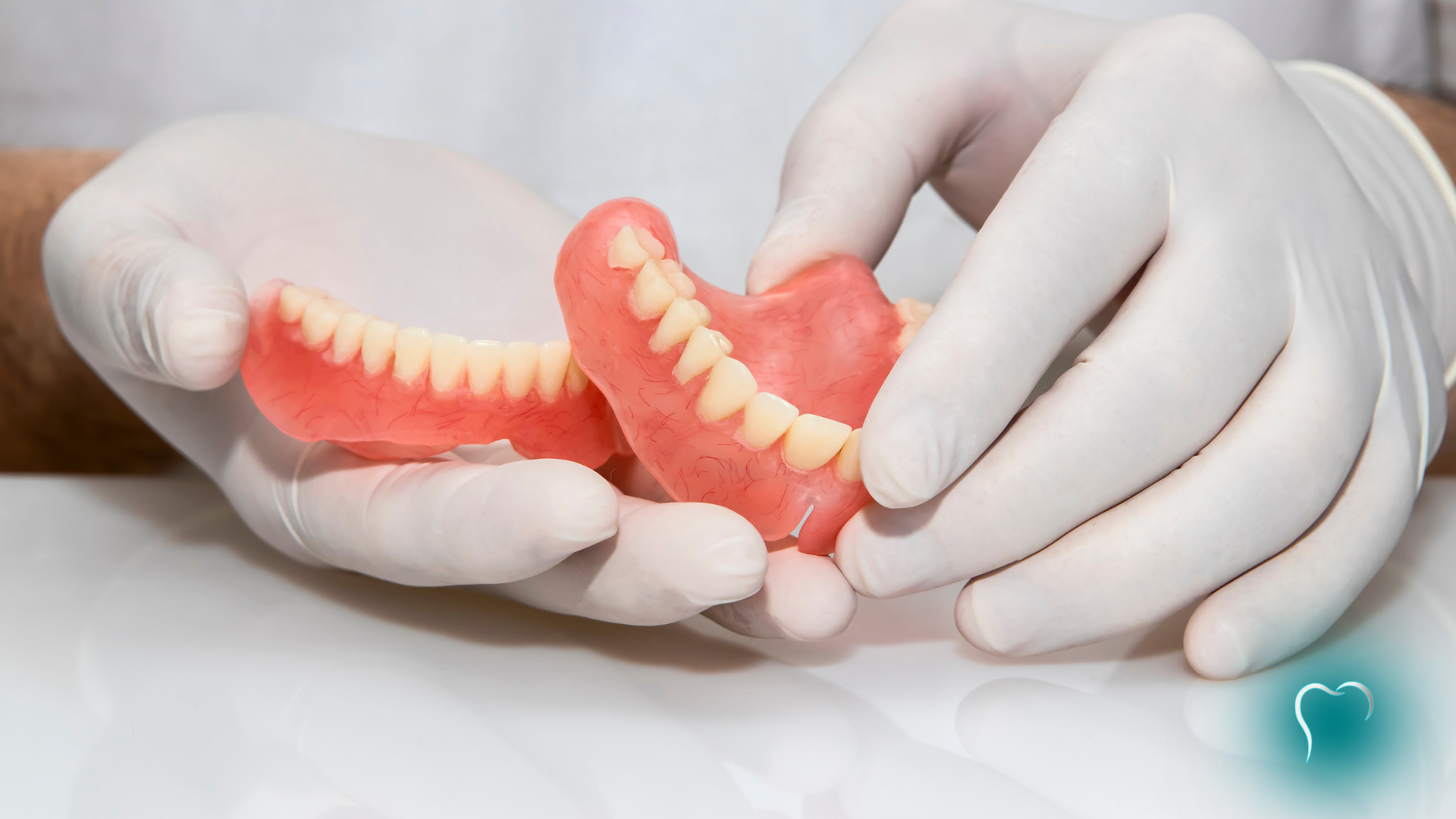
Dentures are not a one-size-fits-all solution. The most suitable type depends on how many teeth are missing, the condition of your gums and remaining teeth, your bite, and your preferences for stability and maintenance. A consultation allows the denturist to assess your circumstances and explain which options may be appropriate. Patients who need to replace all teeth in an arch can explore complete denture options, while those who still have some natural teeth may benefit from partial dentures.
Different materials and fabrication methods can also influence the final result. Traditional and digitally designed dentures use different approaches to creating a custom appliance, and the appropriate method depends on individual requirements and the provider's assessment. Ask how the selected option may affect fit, appearance, durability, adjustment needs, and future replacement. Digital technology can support precise design, but the quality of the overall process and the attention given to fitting remain important.
Some patients may also be interested in implant-supported dentures because they want additional stability compared with conventional removable dentures. It is important to understand the distinction between the denture and the implant procedure: implant placement is performed by an appropriately qualified dental professional, while the denture provider can design, fabricate, and fit the prosthesis. If you are considering this option, discuss coordination between professionals and explore dentures implants to understand the denture-related services available.
Evaluate Fit, Comfort, and Quality

A well-made denture should be designed around your mouth, bite, and functional needs. Fit affects more than appearance: an appliance that moves excessively or creates pressure points can make eating and speaking difficult. During the consultation and fitting appointments, ask how the provider evaluates stability, bite alignment, and comfort, and how any problems will be addressed. Some adaptation is normal when wearing new dentures, but persistent pain or significant movement should be assessed.
Materials, design, and craftsmanship also contribute to how a denture looks and functions. Discuss the available options for tooth shape, shade, and overall appearance, along with practical considerations such as strength, cleaning, and expected maintenance. The best choice is not necessarily the most expensive option; it is the one that appropriately balances your clinical needs, preferences, and budget. Ask the provider to explain the differences between the options being recommended rather than relying on general claims about premium quality.
Technology can be helpful, but it should support individualized care rather than replace it. Digital scans and computer-assisted design may improve certain aspects of the design and fabrication process, while clinical assessment and careful adjustments remain essential. Before committing to treatment, make sure you understand how the provider checks the final fit and what to do if discomfort, sore spots, or changes in your bite occur after you begin wearing the denture.
Compare Costs, Estimates, and Payment Options

The price of dentures varies according to the type of appliance, materials, fabrication method, complexity of the case, and any additional services required. A straightforward replacement and a more complex denture case may involve different appointments and costs. Rather than comparing headline prices alone, ask each provider for an estimate that explains what is included and whether further adjustments or maintenance could involve additional fees.
The following table can help you compare providers during your research. Use it as a checklist when contacting clinics, and request written details wherever possible.
| Factor | Questions to ask | Why it matters |
|---|---|---|
| Initial consultation | What does the consultation include? | Clarifies the assessment process and any initial fees. |
| Denture fabrication | Which type and materials are recommended? | Helps you compare suitable options rather than prices alone. |
| Fittings and adjustments | How many appointments are included? | Shows how the provider supports the fitting process. |
| Repairs and maintenance | What services are available, and what do they cost? | Helps you plan for ongoing care. |
| Insurance and payment | Can you provide an estimate for insurance or pre-authorization? | Helps you understand your likely out-of-pocket expenses. |
Before agreeing to treatment, ask for a breakdown of the expected costs and confirm how changes to the treatment plan would be handled. If you have dental insurance, check your coverage directly with your insurer and ask the provider whether it can assist with estimates or pre-authorization. Payment options may vary between practices, so confirm the available arrangements instead of assuming that a particular plan is offered.
Assess Communication and Long-Term Support
Choosing a denture provider should involve more than evaluating the appliance itself. You should feel comfortable discussing concerns, asking questions, and explaining any difficulties with your current dentures. A provider who listens carefully and explains recommendations in understandable language can help you make decisions with greater confidence. This is especially important if you are receiving dentures for the first time or have experienced discomfort with previous appliances.
Ask what happens after your dentures are delivered. Your mouth can change over time, and dentures may eventually require adjustments, relining, repairs, or replacement. A provider should explain how to arrange follow-up appointments, when to seek an assessment, and how to care for your dentures at home. Understanding the maintenance process in advance helps you plan for long-term comfort and function.
Before making your final decision, consider how well the provider addresses your individual concerns and whether the proposed treatment plan feels clear and realistic. If you are comparing local options, review the services and patient information available from Alberta Dentures and arrange a consultation to discuss your needs. The goal is to choose a qualified professional who offers suitable denture options, communicates openly, and provides access to the fitting and maintenance services you may need over time.
Prepare for Your First Denture Consultation

A little preparation can help you get more value from your initial appointment. Before visiting a provider, write down your main concerns, such as slipping dentures, difficulty chewing, sore spots, changes in speech, or dissatisfaction with the appearance of your smile. If you already wear dentures, bring them to the appointment if requested and explain what works well and what you would like to improve. Sharing your priorities helps the denturist understand which factors matter most to you.
It is also helpful to bring a list of medications, relevant medical or dental history, insurance details, and questions about treatment costs. If you are considering replacing missing teeth for the first time, ask which options may suit your situation and whether you need an assessment by another dental professional before denture treatment begins. The provider can explain the next steps based on your individual circumstances.
Use your consultation to clarify the proposed treatment, expected appointments, estimated costs, adjustment process, and follow-up arrangements. You do not need to make a decision before you understand your options. Taking time to compare the information you receive can help you choose a provider whose services, communication style, and approach to care meet your needs.
Make an Informed Choice for Your Denture Care

Knowing how to find a good denturist in Calgary starts with looking beyond advertising and comparing the factors that influence treatment quality. Verify qualifications, review the services available, ask about fitting and follow-up care, and make sure you understand the proposed costs. Patient reviews can provide useful context, but a direct conversation is essential for determining whether the provider understands your concerns and can explain a suitable approach.
Ultimately, what makes a good denturist is a combination of professional competence, careful assessment, individualized denture design, clear communication, and appropriate ongoing support. The right provider should explain the available options, set realistic expectations, and help you understand how to maintain your dentures over time. These considerations are more useful than choosing a provider based on price or convenience alone.
If you are comparing local practices, use your consultation to evaluate whether the provider can meet your current needs and support future adjustments or maintenance. Taking a thoughtful approach to choosing a denture provider in Calgary can help you make a more confident decision about your comfort, function, and smile.
FAQ

What qualifications should a denture provider have in Calgary?
Look for a denturist who is registered with the appropriate Alberta regulatory body and has the qualifications required to provide the services you need. Ask about their experience with your type of denture and how they assess fit, bite, and comfort. You can also confirm registration through the relevant professional regulator rather than relying solely on a clinic's marketing claims.
How much do dentures cost in Calgary?
Denture costs depend on the type of appliance, materials, complexity of the case, and services included in the treatment plan. Complete dentures, partial dentures, and implant-supported dentures may have different costs, and repairs or relining can involve separate fees. Request an itemized estimate before proceeding and ask whether consultations, fittings, adjustments, and follow-up appointments are included. If you have insurance, confirm coverage and reimbursement limits with your insurer.
How can I tell whether a denture provider offers quality care?
Consider the provider's qualifications, experience, consultation process, range of services, and approach to follow-up care. Patient reviews may help you understand other people's experiences, particularly regarding communication and how concerns were handled. During your appointment, check whether the provider explains treatment options clearly, discusses realistic outcomes, and gives you an opportunity to ask questions about fit, materials, maintenance, and costs.
What is the difference between conventional dentures and implant-supported dentures?
Conventional dentures generally rest on the gums and may be removable, while implant-supported dentures attach to dental implants for additional stability. Suitability depends on individual oral health, treatment goals, and other clinical factors. Implant placement is performed by an appropriately qualified dental professional; a denture provider can fabricate and fit the prosthesis and coordinate with the professional responsible for implant treatment. A consultation can help clarify which option may be appropriate for your situation.
Will I need adjustments after receiving new dentures?
Adjustments are common because new dentures may require refinements as you adapt to speaking and eating with them. Your provider should explain how to arrange follow-up appointments and what to do if you experience sore spots, discomfort, or excessive movement. Over time, changes in your gums and jaw may also affect the fit, making relining, repairs, or replacement necessary. Follow the care instructions provided and seek an assessment if discomfort persists rather than attempting to modify the denture yourself.
Recent Posts