Full and Partial Dentures: Types, Benefits & Cost

Source:
Dr. Marketing
Missing teeth can affect more than the appearance of your smile. They may make certain foods difficult to chew, change the way you pronounce words, and leave you feeling less confident in social situations. Dentures offer a way to replace missing teeth, but choosing the right type requires an understanding of how different appliances work and what they can offer.
The most suitable solution depends on your individual circumstances. Some people need to replace every tooth in the upper or lower jaw, while others have several gaps between healthy natural teeth. The number of teeth requiring replacement, the condition of the gums, jaw anatomy, personal preferences, and available budget can all influence the treatment recommendation.
For people considering denture treatment in Calgary, Alberta Dentures provides information about options for replacing missing teeth. This guide explores the differences between complete and partial dentures, including their design, comfort, appearance, cost, and care requirements, so you can prepare for an informed discussion with a denture professional.
Understanding Complete Dentures
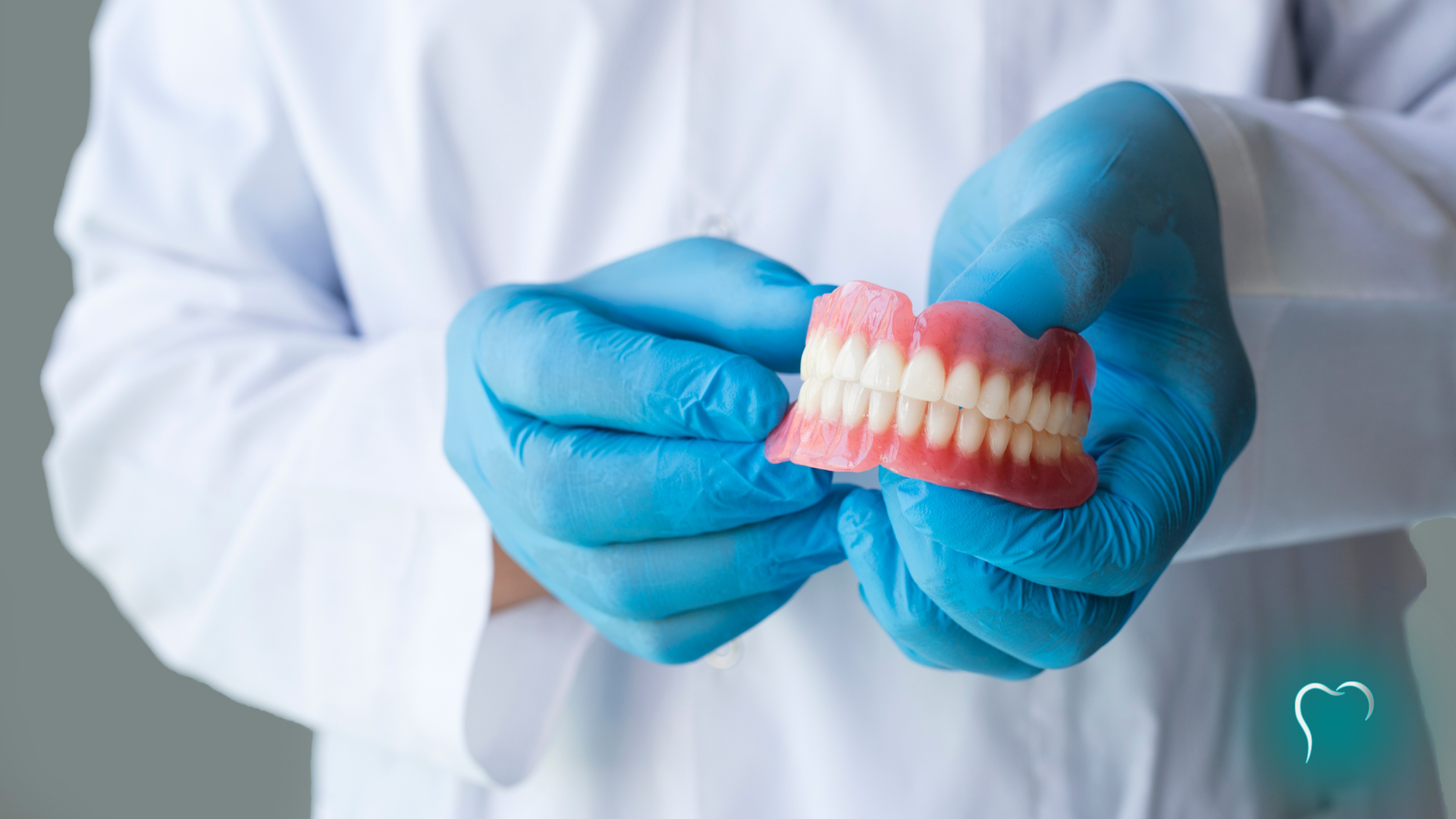
Complete dentures are removable appliances intended to replace all teeth in one dental arch. A patient may need an upper denture, a lower denture, or a set for both jaws. The appliance usually combines artificial teeth with a base designed to resemble gum tissue. Its shape and fit are customized to the patient's mouth to help restore the appearance and function of a complete dental arch.
The way a complete denture stays in place depends on its design and the shape of the mouth. Upper appliances can benefit from contact with the palate, while lower dentures have less surface area for support and must accommodate the movement of the tongue. As a result, retention and stability can differ between the upper and lower jaws. Some patients also need time to adjust their speaking and eating habits after receiving new dentures.
The treatment process varies according to whether teeth remain to be removed and whether the gums have healed. Immediate dentures may be provided around the time of extraction, whereas conventional dentures are generally made after the tissues have had time to heal. If you are exploring a complete denture, a professional consultation can help clarify the available approach, expected adjustments, and maintenance needs.
Understanding Partial Dentures
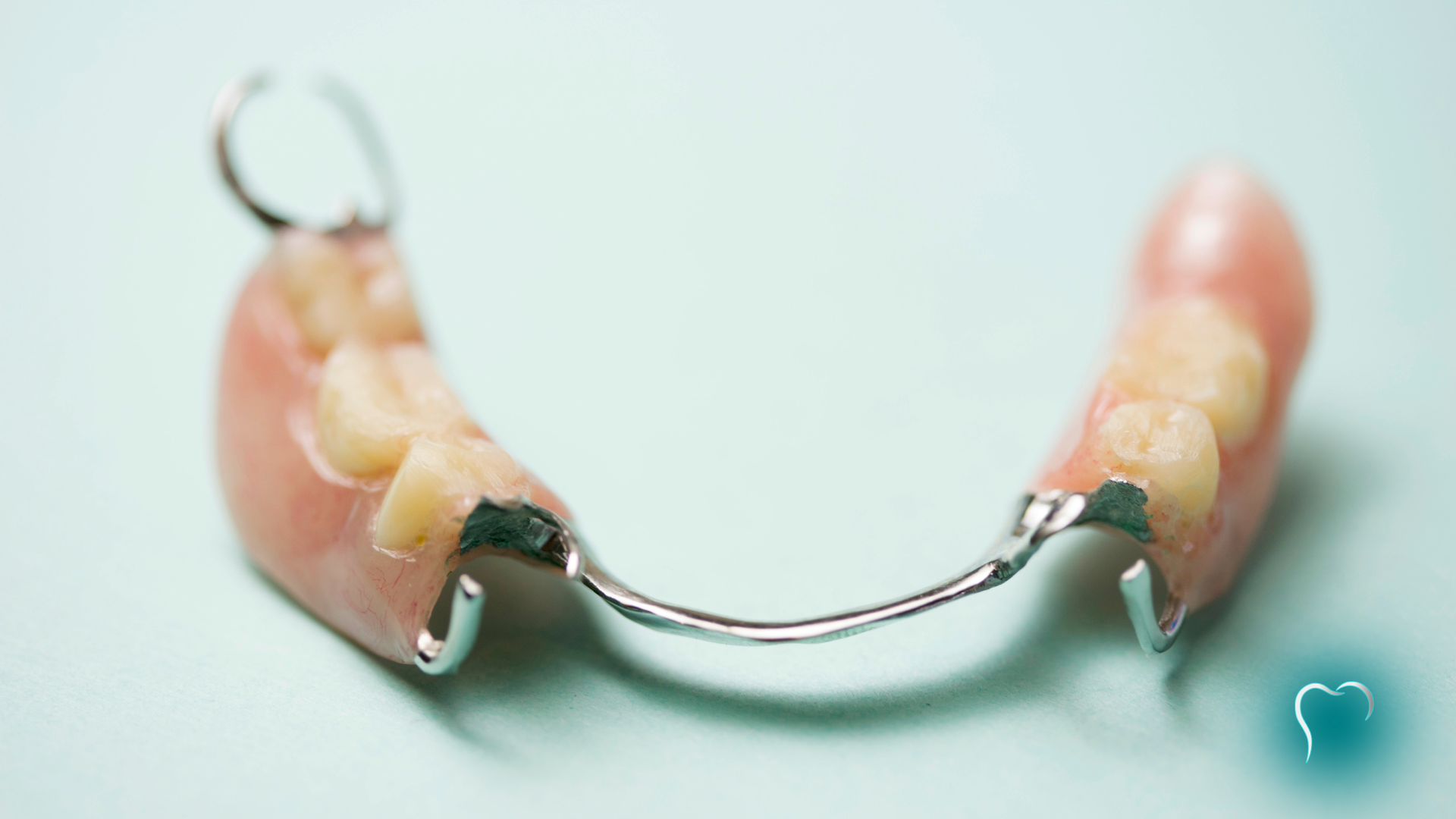
Partial dentures are designed for people who have lost some teeth but still have natural teeth remaining in the affected jaw. Rather than replacing the entire arch, the appliance fills selected spaces with artificial teeth. Depending on the design, it may contain an acrylic base, a metal framework, and components that help it remain securely positioned during everyday activities.
One of the main purposes of a partial denture is to restore gaps without automatically replacing the teeth that remain. Its construction must take account of the position, strength, and condition of those teeth, as well as the patient's bite and gum health. Some designs use clasps around supporting teeth, while others rely on different retention methods. A suitable design helps distribute forces appropriately and reduces unnecessary stress on the supporting structures.
Partial dentures may be considered when several teeth are missing and the remaining teeth are suitable for preservation. They still require careful cleaning, regular assessment, and adjustments when necessary. Patients interested in partial dentures can discuss which designs may suit their circumstances and whether another tooth-replacement option would offer advantages for their specific needs.
Full Dentures vs Partial Dentures: How Do They Compare?

The main distinction between these appliances is the extent of tooth replacement. Complete dentures are made for an arch without natural teeth, whereas partial dentures occupy gaps in an arch where some natural teeth remain. This difference affects not only the appearance of the appliance but also how it is supported, how it fits, and which oral health considerations need attention during treatment.
Another important consideration is how each appliance interacts with the mouth. Complete dentures depend largely on the contours of the oral tissues and the fit of the base. Partial dentures may receive additional support from remaining teeth, depending on their construction. In either case, changes in the gums, jawbone, or supporting teeth can influence stability over time. Regular professional reviews help identify when adjustments or other care may be necessary.
The comparison below outlines the features patients commonly discuss before selecting a denture type.
| Consideration | Complete dentures | Partial dentures |
|---|---|---|
| Main purpose | Replace every tooth in an upper or lower arch | Fill selected gaps between natural teeth |
| Existing teeth | No natural teeth remain in the treated arch | Some natural teeth remain |
| Support | Primarily the gums and underlying oral tissues. | A combination of supporting teeth and oral tissues, depending on design |
| Retention | Upper denture holds by suction. Lower denture has no active force holding it to the gums, may require denture adhesive or implant treatment to be fully functional. | Usually include different types of clasps or other retention features that hold the denture to the natural teeth firmly. Clasps can be made of metal or pink, clear or tooth-colored flexible material. |
| Initial adaptation | Harder - coverage of the upper palate may impact taste and speech. Gag reflex may be triggered. | Easier - smaller appliance and mechanical retention allows for easier adaptation. For metal dentures - the appliance can be very thin and impact speech and comfort in function minimally. |
| Daily Care | Remove denture overnight, brush it and soak in a cleaning solution. Clean denture after meals | Remove denture overnight, brush it and soak in a cleaning solution. Clean denture after meals Brush remaining teeth twice a day and floss. |
| Long-term Maintenance | Fit and stability may change as oral tissues change. Relines are recommended every 1 to 2 years to refit the dentures to the changed gums. If dentures don’t fit - they may cause damage to underlying tissues. Remakes are recommended every 5-7 years to restore wear and disintegration of denture materials with use. | Fit may change as oral tissues or supporting teeth change. When partial dentures don’t fit well - they may cause damage to remaining teeth and underlying tissues. Relines are recommended. Remaining natural teeth must be maintained with regular dental check-ups and cleanings. Denture adjustments are needed if any dental restorative work is done |
Full vs Partial Dentures: Advantages and Limitations
When considering full vs partial dentures pros and cons, it helps to look beyond the number of artificial teeth. The right appliance should meet your functional needs, fit your oral anatomy, and be practical to maintain. A solution that works well for one patient may not provide the same experience for someone with different jaw contours, gum health, or remaining teeth.
Complete dentures provide a replacement for an entire arch and can help restore a continuous smile when natural teeth are absent. However, some patients find that lower dentures are more challenging to stabilize, and adaptation can take time. Specifically, complete upper dentures cover more area in your mouth (all of your palate) and lower dentures do not have a physical retention holding them to your gums, they tend to have more movement than partial dentures.
Further consideration is bite force. Complete dentures rely completely on transferring bite force to your gums, a soft, sensitive tissue - this decreases the amount of force you can apply comfortably. The reduction in bite force means the food needs to be chewed longer and certain hard foods are not feasible to bite through. Partial dentures maintain some natural teeth nad allow for more force of the bite when chewing.
Partial dentures can preserve suitable natural teeth, and be stabilized by holding on to them for support. It is important to note that these remaining teeth, taking on the load of the denture will need more care and maintenance to remain for a longer period of time. They can also be lost with time and if the denture fit is no longer adequate. The following points summarize the main considerations for each option:
- Complete dentures: Replace all teeth in the treated arch and provide a full set of artificial teeth. They may require an adjustment period and periodic changes to maintain fit.
- Partial dentures: Fill spaces while retaining suitable natural teeth. Their performance depends on the design, the supporting teeth, and the health of the surrounding tissues.
- Both denture types: Can improve the appearance of a smile and support chewing, but require consistent hygiene, professional monitoring, and occasional maintenance.
Discussing these factors with a denture professional can help you weigh the practical benefits against the responsibilities associated with each appliance.
Comfort, Fit, and Appearance

The complete dentures vs partial dentures comfort comparison is closely related to the fit of the appliance and the way it interacts with the gums, tongue, and remaining teeth. New dentures may initially feel bulky or unfamiliar. Some people also experience temporary changes in speech or chewing. Gradual adaptation and appropriate adjustments can help, but persistent irritation, pain, or movement should be assessed by a professional.
Appearance is another factor that can influence a patient's decision. When considering complete dentures vs partial dentures appearance, both types can be designed to complement the patient's facial features and smile. Complete dentures replace an entire row of teeth, while partial dentures must blend with the natural teeth still present. Tooth colour, shape, alignment, and the appearance of the denture base all contribute to the overall result.
Expectations should be discussed before the appliance is made. Your provider may consider the proportions of your face, the position of your lips, and your preferences for the appearance of the replacement teeth. Although dentures can restore the visible parts of a smile, their final appearance and comfort depend on individual anatomy, materials, design, and professional fitting. Try-in appointments allow any necessary changes to be identified and addressed.
What Influences the Cost of Dentures?

The full dentures vs partial dentures cost comparison depends on the details of the treatment plan. The type of appliance, the materials selected, the complexity of its construction, and the number of appointments required can all influence the price. A complete denture replaces all teeth in an arch, whereas a partial denture must be designed around the patient's existing teeth and the spaces that need filling.
The total expense may also include procedures performed before the denture is made. Tooth extractions, oral assessments, fittings, adjustments, repairs, and future relining may affect the overall cost. Insurance benefits and available payment arrangements can influence the amount paid by the patient. For this reason, it is more useful to request an individualized estimate than to rely on a general price comparison.
When reviewing a quote, ask what is included and which services may incur additional charges. It is also worth discussing expected maintenance and the circumstances in which a denture might need to be repaired or replaced. Considering these potential future expenses alongside the initial price can provide a clearer picture of the financial commitment involved.
Choosing the Right Denture for Your Needs

Understanding the difference between full and partial dentures is only one part of selecting an appliance. Your oral health, the location of missing teeth, and the condition of any remaining teeth must also be considered. A professional assessment can help establish whether the existing teeth can be maintained and which type of replacement is likely to provide suitable support.
For someone who has lost every tooth in an arch, complete dentures may not be an only option. Implant supported dentures are also available to recreate the missing mechanical retention. If healthy natural teeth remain, a partial denture is usually recommended because it is superior in function to a complete set. However if remaining natural teeth are compromised and are expected to not be able to carry the load of a denture - complete dentures are a better option.
It is important to note that most partial denture types allow for teeth to be added in the future. This makes for a perfect transitional appliance for those patients who don’t have denture experience and wish to start with partial dentures but also have compromised teeth that may fail in the near future.
Other treatments, including bridges and implant restorations may also be worth discussing where clinically appropriate. The most suitable approach depends on the patient's needs, oral condition, preferences, and the treatment options available. Before making a decision, prepare questions that address both the immediate treatment and long-term care:
- What are my options to replace my missing teeth?
- What will the treatment cost, including fittings and follow-up appointments?
- How should I clean and store the denture?
- What adjustments might be needed during the first few weeks?
- What is the long term maintenance for the appliance and oral tissues?
- How often should the appliance and my oral health be reviewed?
- What should I be looking for in the feel and function of my appliance that will require me to come in for a check-up.
These questions can help you understand what to expect and compare treatment options using practical criteria rather than appearance or price alone.
Looking After Complete and Partial Dentures
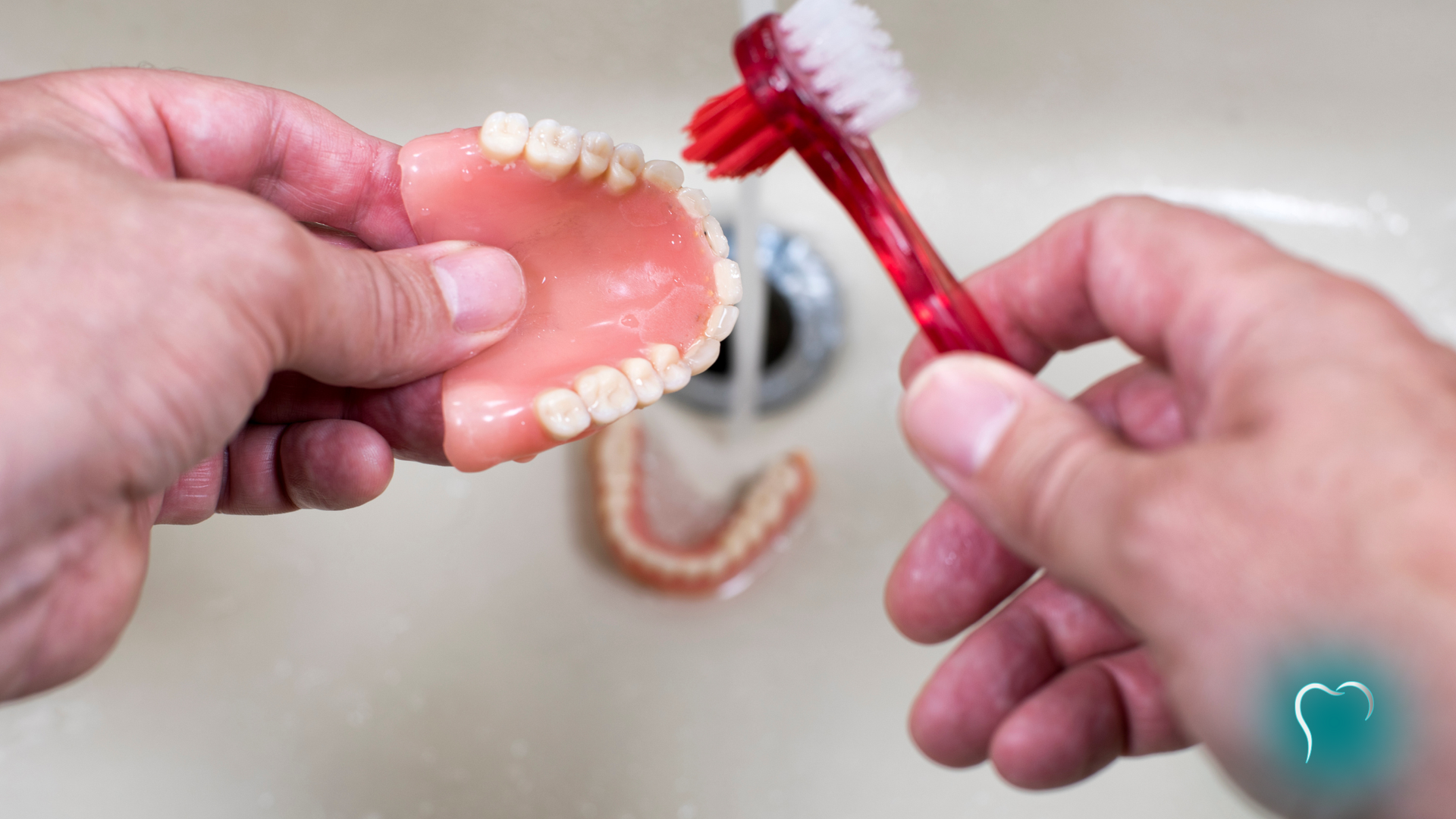
Good hygiene is essential for maintaining a removable denture and protecting the tissues in your mouth. Clean the appliance every day using a product recommended for its material, and follow your provider's instructions for rinsing and storage. Avoid hot water, which can alter the shape of some dentures, and handle the appliance over a soft surface or a basin of water to reduce the risk of breakage if it slips from your hands.
People wearing partial dentures should pay particular attention to their remaining natural teeth. Food debris and plaque can accumulate around the areas where the appliance rests or attaches, so regular brushing and flossing are important. Complete denture wearers also need to clean their gums, tongue, and palate gently. Ask your provider whether you should remove the appliance overnight and which storage method is appropriate.
A denture that once fitted well may become loose as the oral tissues change. Wear, damage, or changes in supporting teeth can also affect comfort and function. Arrange a professional assessment if you notice persistent soreness, cracks, difficulty chewing, or movement that makes the appliance unreliable. Avoid trying to reshape or repair dentures yourself, as this may damage the appliance or affect its fit.
Make an Informed Decision About Dentures
Choosing between complete and partial dentures starts with understanding the condition of your mouth and the outcome you want to achieve. Complete dentures replace all teeth in an arch, while partial dentures are designed to fill spaces where suitable natural teeth remain. Each option has different requirements for retention, daily care, and ongoing maintenance.
Comfort, appearance, durability, and cost are all worth considering, but no single denture type is the right solution for every patient. A professional assessment can clarify the available choices, explain their limitations, and help establish realistic expectations for adaptation and future care.
If you are considering dentures in Calgary, visit Alberta Dentures to explore the available services and arrange a discussion about your needs. Understanding your options before treatment can help you choose an approach that supports your oral health, everyday function, and confidence.
FAQ

What is the difference between full and partial dentures?
Full dentures replace all teeth in the upper or lower arch, while partial dentures replace selected missing teeth when natural teeth remain. Complete dentures rely mainly on the gums and underlying oral tissues for support. Partial dentures may also use the remaining teeth for retention, depending on their design. A professional assessment helps determine which option is suitable for your oral health and the location of missing teeth.
Are complete dentures better than partial dentures?
Neither option is automatically better. Complete dentures may suit patients who have lost all teeth in an arch or whose remaining teeth cannot be maintained. Partial dentures may be appropriate when some natural teeth are healthy enough to preserve. The choice depends on the patient's oral condition, functional needs, preferences, and the available treatment options. A denture professional can explain the benefits and limitations relevant to your situation.
Do partial dentures usually cost less than complete dentures?
The cost varies according to the materials, appliance design, complexity, and any additional treatment required. A partial denture may involve a more complex design to accommodate existing teeth, while a complete denture replaces an entire arch. Extractions, fittings, adjustments, repairs, and maintenance can also affect the total expense. Ask for a personalized estimate that explains which services are included and what additional charges may arise.
How long does it take to adjust to new dentures?
The adjustment period differs between individuals and depends on the appliance, oral anatomy, and previous experience with dentures. During the initial period, you may notice changes in speech, chewing, saliva production, or comfort. Starting with manageable foods, practising speaking, and following your provider's instructions can help you adapt. Follow-up appointments are important because adjustments may be needed as you become accustomed to the appliance. Persistent pain or instability should be assessed professionally.
How can I keep my dentures clean and comfortable?
Clean removable dentures daily with a suitable denture-cleaning product and follow the instructions provided for your appliance. Avoid hot water and store dentures as directed when they are not being worn. If you have partial dentures, continue brushing and flossing your remaining teeth and cleaning around the areas that support the appliance. Regular professional assessments can help identify changes in fit, damage, or oral health concerns and determine whether adjustments are needed.
Recent Posts