What Is the Fastest Way to Heal Denture Sores?

Source:
Dr. Marketing
The fastest way to heal irritated spots from a new or poorly fitting appliance is to stop the rubbing, calm the tissue, and correct the fit. Relief usually starts with less pressure, better cleaning, and short breaks from wearing the prosthesis. Full healing takes longer if the same area keeps getting hit during eating or talking.
People who search how to heal sores in their mouth from dentures usually want a same-day answer. That is understandable. Painful rubbing can make meals difficult and can turn normal speech into a chore. The good news is that many mild areas improve quickly when the tissue gets rest and the appliance is cleaned and adjusted the right way.
When we see mouth sores caused by dentures, the biggest mistake is waiting too long and trying random products without changing the source of pressure. A gel may numb the area for a while, but tissue cannot recover if the same edge keeps pressing into it. Fast healing always starts with pressure relief.
At Alberta Dentures, we tell patients to think about this in two stages. First, settle the irritation. Second, prevent it from coming back. That approach works better than chasing quick fixes night after night.
What Causes Mouth Sores From Dentures

Most mouth sores from dentures are caused by friction, pressure, trapped debris, or an unstable bite. The appliance may look smooth, but it can still create a hot spot if it rocks during chewing or if one area carries too much force. Even a small imbalance can irritate delicate tissue. Common causes include:
- a flange or edge that rubs one section repeatedly;
- uneven bite pressure on one side;
- movement during chewing or speaking;
- food particles caught underneath;
- dry mouth that leaves tissues less protected;
- wearing the prosthesis too long without rest.
A sore spot on gums from dentures often appears on the ridge, near the border, or where the cheek and tongue muscles pull against the plate. That area may look red, feel raw, or sting when food touches it. Some people notice a sharp pain only when they bite down. Others feel a dull ache that gets worse by evening.
Poor hygiene can make irritation harder to calm. Plaque, yeast, and food debris do not always cause the original injury, but they can delay recovery. That is why proper cleaning matters just as much as fit. Our Denture hygiene page can help you review the basics.
Another common pattern is tissue change after extractions or bone remodeling. The prosthesis that felt acceptable in the first weeks may start shifting later. That is one reason recurring irritation should never be dismissed as “normal.” If the same area keeps flaring up, the appliance is telling you something.
Comment from our lead denturist: If one location becomes tender again and again, the problem is usually mechanical. The tissue is not weak. The fit is wrong for the way the mouth is moving. You can also read our page on Denture Pain for a broader look at pressure, fit, and bite-related discomfort.
How to Soothe Sore Gums From Dentures at Home

If you need to know how to soothe sore gums from dentures , start with the methods that reduce pressure right away. Home care works best when the tissue gets a chance to rest and the appliance goes back in clean. Use this routine for quick relief:
- Remove the appliance for a few hours.
- Rinse with warm salt water.
- Apply benzocaine or another oral gel to the tender area.
- Reinsert only after cleaning the appliance thoroughly.
- Remove it again at night so the tissue can breathe.
This is also the most practical answer to what to use on sore gums from dentures when the pain is fresh and localized. Salt water helps clean the area. A topical gel gives short-term comfort. Time out of the mouth stops constant rubbing. Each step matters more when combined with the others.
Food choice matters during the first couple of days. Choose softer meals, avoid sharp chips or crusts, and keep very spicy or acidic foods to a minimum. Hot pepper, citrus, and hard toast can make a small raw area feel much worse. Cool water and bland foods are usually easier to tolerate while healing begins.
For some people, dry mouth is a hidden factor. If saliva is low, tissues have less natural protection and the plate may drag more across the gums. Sipping water often, avoiding alcohol-based mouth rinses, and asking about dry-mouth products can help. Healing tends to be slower when the mouth stays dry.
The table below shows what home care can and cannot do:
| Home Step | What It Helps With | What It Cannot Fix |
|---|---|---|
| Warm Saltwater Rinse | Cleans and soothes irritated tissue | Pressure points |
| Oral Numbing Gel | Provides short-term comfort | An unstable fit |
| Removing Dentures Overnight | Reduces ongoing irritation and pressure | Bite imbalance |
| Careful Cleaning | Reduces debris and bacteria | Rocking or looseness |
| Soft Diet for 1–3 Days | Limits additional irritation | Rough denture borders |
Many cases of sores caused by dentures improve within a few days when the pressure is light and the tissue gets rest. Still, home care has limits. If the plate keeps moving, rubbing, or digging in, the tissue may reopen every time you wear it. That is why people looking up how to heal sores in the mouth from dentures should not rely only on products from a pharmacy. Home care can calm the area. It cannot reshape the appliance.
Treatment for Mouth Sores From Dentures at a Professional Level

Professional treatment focuses on the cause, not only the symptoms. If the tissue keeps getting irritated, the appliance needs to be checked for pressure areas, balance, border length, and bite contact. This is the safest path when home care stops helping. A clinical visit for treatment for mouth sores from dentures may include:
- checking the exact sore location against the inside surface;
- identifying overextended borders;
- adjusting high-pressure points;
- smoothing rough areas;
- checking bite contacts and jaw relation;
- planning a reline or remake if the fit has changed too much.
Many patients are surprised by how small an adjustment can make a big difference. One narrow area can carry more force than the rest of the appliance. Once that area is corrected, the tissue often settles much faster.
Professional care also matters because not every lesion is simple irritation. Some ulcers, fungal infections, or suspicious patches can look similar in early stages. If an area is not healing, changes shape, or bleeds easily, it should be examined promptly. A denturist can identify fit-related issues and refer out when something needs further medical or dental evaluation. Here is a simple comparison:
| Situation | Home Care | Professional Help |
|---|---|---|
| Mild New Rubbing | Often helpful | Optional if symptoms are improving |
| The Same Sore Spot Returns | Provides short-term relief only | Recommended |
| Daily Pain While Chewing | Provides limited relief | Needed |
| Visible Movement or Looseness | Not sufficient | Needed |
| No Improvement After One Week | Not sufficient | Needed |
Many mouth sores caused by dentures are linked to looseness, poor suction, or tissue changes that happened after the prosthesis was made. That is why we often connect this issue to broader fit problems. Our Common denture problems page explains how movement and looseness can trigger ongoing irritation: If the area is painful, recurrent, or making daily function difficult, book a Free consultation .
Comment from our team: The faster you identify the pressure source, the faster the tissue recovers. Waiting usually turns a simple adjustment into a longer cycle of flare-ups.
A Longer-Term Option for Recurring Problems
Some people do everything right at home and still keep getting the same irritated area. In those cases, the issue is rarely hygiene alone. It is usually movement, bone change, bite imbalance, or lack of stability. Recurrent trauma needs a long-term solution. A reline may help if the inside surface no longer matches the tissues. A remake may be more appropriate if the bite, wear, or overall design is no longer supporting function well. When looseness is a repeated problem, Implant Dentures can offer much better stability and much less rubbing.
This matters because recurring mouth sores from dentures are often a symptom of movement. A stable prosthesis spreads force more evenly. Less rocking means less friction. Less friction gives tissue a chance to stay healthy. Long-term options may include:
- a chairside adjustment for pressure areas;
- a soft or hard reline, depending on the case;
- remaking the prosthesis if the design is no longer adequate;
- improving stability with implants in suitable cases.
Patients researching how to soothe sore gums from dentures often assume that pain means they only need a medicated product. Sometimes the real answer is structural. If the fit is unstable, repeated irritation will return until the design changes.
The same is true for people searching what to use on sore gums from dentures every few weeks. If the symptoms keep coming back, stop thinking only in terms of products. Think in terms of pressure, balance, and stability.
Daily Habits That Help Healing Happen Faster
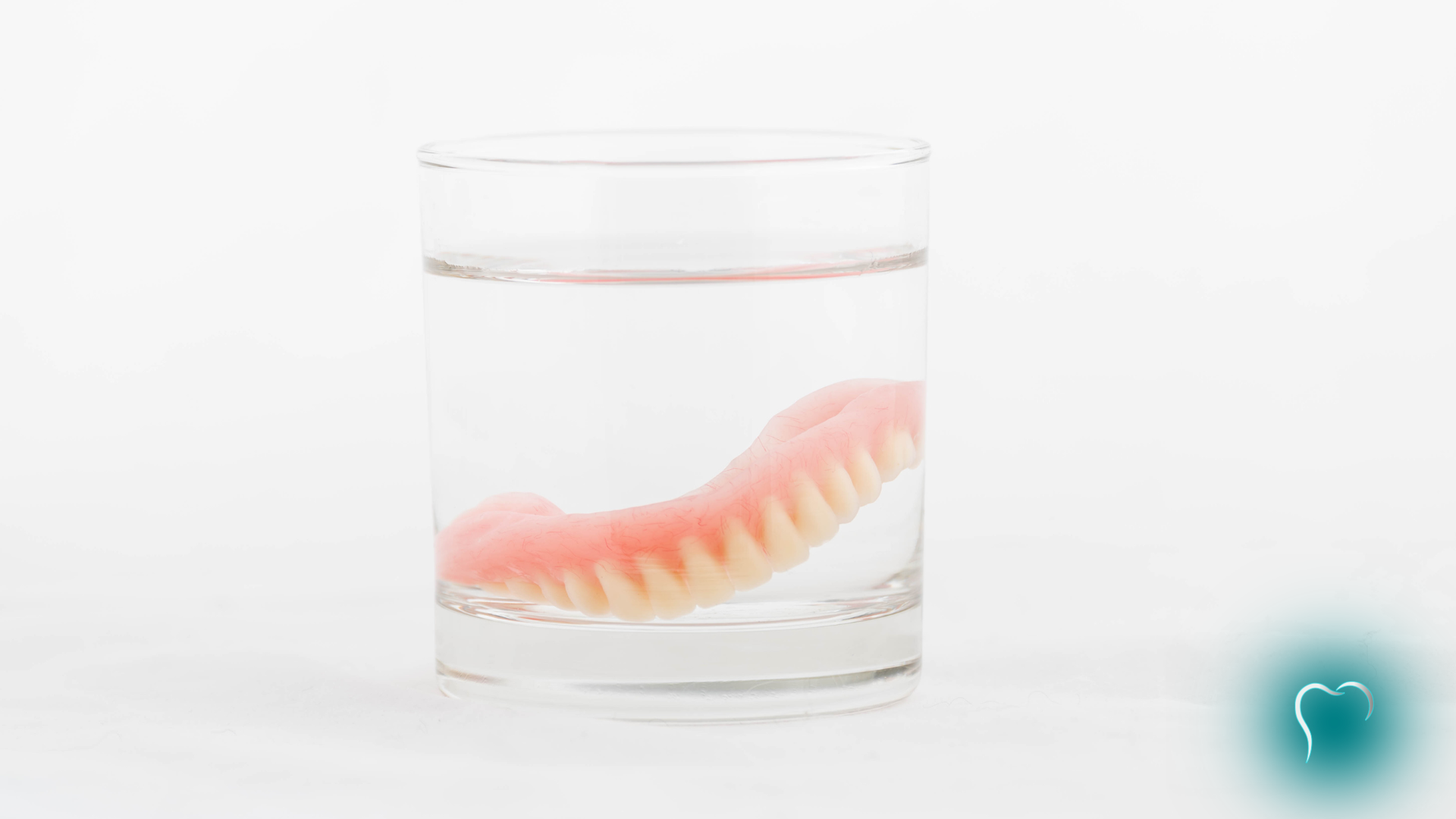
Fast recovery depends on more than one treatment. Small daily choices can shorten healing time and lower the chance of another flare-up. Helpful habits include:
- taking the appliance out overnight every night;
- rinsing after meals;
- cleaning the tongue, cheeks, and gums gently;
- drinking enough water through the day;
- choosing softer foods for a short period;
- not wearing an ill-fitting plate “just to get used to it.”
A common myth is that constant wear helps the mouth adapt faster. In reality, an irritated area heals better when it is not under pressure all the time. Adaptation is real, but it does not replace fit. The mouth can learn a new appliance only when the design is not actively injuring tissue.
Another practical tip is to pay attention to timing. If the pain starts only after dinner, the appliance may be tolerable at rest but unstable under longer chewing sessions. If it hurts first thing in the morning, overnight wear may be part of the problem. These patterns help identify the trigger.
For patients with repeated trouble, keeping short notes can be useful. Record where the irritation is, when it appears, and whether it is worse with chewing, speaking, or the end of the day. This makes a clinical adjustment much more precise.
How to Tell Whether a Spot Is Improving

Healing usually follows a simple pattern. The area becomes less red, less tender, and less reactive to food. Pain during insertion and chewing should gradually drop. The surface may still look irritated for a short time after the discomfort starts improving, so symptoms matter as much as appearance. Signs of improvement include:
- less burning or stinging;
- less sharp pain when biting;
- reduced redness;
- more comfort after short wear periods;
- no enlargement of the irritated area.
Signs that the problem is not resolving include:
- pain that returns every time you reinsert the appliance;
- bleeding, swelling, or worsening redness;
- the same location reopening;
- trouble eating normal meals;
- no meaningful improvement after 7-10 days.
If you keep noticing a sore spot on gums from dentures, do not wait for it to become severe. The earlier the pressure is corrected, the less downtime you usually need.
Why Quick Relief and Long-Term Relief Are Different
Immediate relief and lasting relief are not the same thing. Numbing products, rinses, and rest can make the mouth feel better quickly. That is useful, and sometimes it is enough for a mild new pressure area. But long-term comfort depends on stability.
This is why articles about treatment for mouth sores from dentures should not stop at salt water and gel. Those are comfort tools. They are not design corrections. True treatment means removing the source of repeated trauma.
The same principle applies to sores caused by dentures after extractions or rapid tissue changes. The tissues may settle, shrink, or remodel. What fit last month may not fit this month. When the mouth changes, the appliance often needs to change too.
At Alberta Dentures, we explain this clearly because patients often blame themselves. They think they cleaned poorly, chewed the wrong food, or failed to “tough it out.” Usually, the issue is simpler. The prosthesis needs attention.
Get Lasting Relief at Alberta Dentures

If irritation keeps returning, the fastest path forward is a professional check. Alberta Dentures focuses on comfort, fit, and practical solutions that match how your mouth is changing over time. We assess the pressure source, not just the symptoms.
People with mouth sores from dentures often wait too long because they hope the area will settle on its own. Mild cases sometimes do. Recurrent cases usually do not. Early correction can save you days or weeks of discomfort.
If you are dealing with mouth sores caused by dentures, trouble chewing, or a recurring pressure area, reach out to Alberta Dentures for help. You can contact the clinic at any working hours.
You can also visit the main Alberta Dentures site to explore our services and patient resources:
The bottom line is simple. The fastest healing comes from three things working together: remove pressure, keep the mouth and appliance clean, and correct the fit before the same tissue gets injured again. That is how you get quick relief now and a healthier, more comfortable result later.
Book a consultation today and let us help you or your loved one smile with confidence again
Taking care of your smile isn’t just about appearance — it’s about health, comfort, and being able to enjoy life’s little moments without worry. From family dinners to laughing with friends, dentures should support your lifestyle, not get in the way.
Recent Posts