What Does Soda Actually Do to Your Dentures?

Source:
Dr. Marketing
Many patients are surprised to learn you can drink soda with a prosthetic. This is fine, but not the best thing to do on a daily basis. The acid, sugar, and colouring in a fizzy drink can irritate soft tissue and make an appliance stain or wear out faster. At Alberta Dentures, we firmly believe you should enjoy your beverages and understand how to keep your teeth safe!
What Does Soda Actually Do to Your Dentures?
When people want to know if it is okay to drink soda with dentures, they are often asking whether the material will be damaged or if this is purely cosmetic. Carbonated drinks can be quite acidic and that low pH can pit the surface of acrylic bases and teeth. Rougher surfaces pick up plaque and pigments more readily so cola, tea, coffee, and wine stains are all the harder to remove.
Sugar in regular soft drinks also feeds bacteria in the mouth. If you have natural teeth that are about a plate or that work with partial dentures, sugary soda left in the mouth can cause cavities and sensitivity wherever clasps touch enamel. Even if all your teeth are artificial, plaque can form at the gum line and irritate tissue, causing sore spots. So when people ask ‘Does soda damage dentures’, the honest truth is ‘no it doesn’t eat the material’, but it can shorten the pretty life of the appliance and create extra work for you.
Colouring agents add another layer of risk. Dark colas, root beer, and some energy drinks are packed with robust pigments, so soda stain dentures are answered “yes” if you drink these often and do not rinse or clean afterwards. What began as a bright smile can be yellow or brown in time even if the teeth are sound at the core.
Which Sodas Are the Most Harmful for Your Prosthetic?

From a denture‑care perspective, not all fizzy drinks are equal. Drinks that are both acidic and dark are the most likely to cause visible staining and surface wear. That includes most cola‑type beverages, many citrus soft drinks, and some flavoured energy products. These are the options that raise the most concern when people ask if soda is bad for dentures.
Clear sodas can appear far less worrisome, but may still contain citric or phosphoric acid that can inflame gums and render acrylic more porous. And once the surface is even slightly rough, pigments from other foods and drinks cling all the more readily to it. This is why soda and dentures can be a dangerous cocktail even when your drink looks colourless in a glass.
Diet versions remove sugar, which is helpful if you have some natural teeth, but the acid level and colouring are often very similar to regular soda. The result is that diet or “zero” options can still contribute to staining and surface changes, even though they do not feed bacteria as much. For that reason, both regular and diet varieties are best treated as occasional treats rather than daily staples.
Special Considerations for Partial and Immediate Dentures
Can you drink soda with partial dentures ? This question is of particular concern because these appliances lean for support on your remaining natural teeth. Sugar and acid bathe both the false and the natural teeth, increasing the possibility of decay around clasps and rests. If you like soft drinks, it is safer to have them with your meals and to rinse your mouth with water afterward and keep up your vigorous brushing and fluoride routine. Your remaining teeth are yours to protect.
For new wearers, can I drink soda with immediate dentures is a very common concern. In the initial days and weeks after extractions, your gums and bone are healing and tissues under an appliance may be tender — fizzy drinks which are very acidic or very cold will add to the soreness and slow your adjustment to chewing with a new denture. Some clinicians therefore recommend as part of the early healing, non-acidic slightly milky drinks and simply still water.
If you are considering a prosthesis placed right after tooth removal, the Immediate Dentures service page explains what to expect during those first weeks. Patients who are thinking about replacing only a few teeth can learn more on the Partial Dentures page, which covers how these appliances interact with remaining natural teeth. We as a team at Alberta Dentures recommend discussing your favourite drinks during your assessment so advice can be tailored to your specific situation.
How to Prevent Staining and Damage to Your Dentures
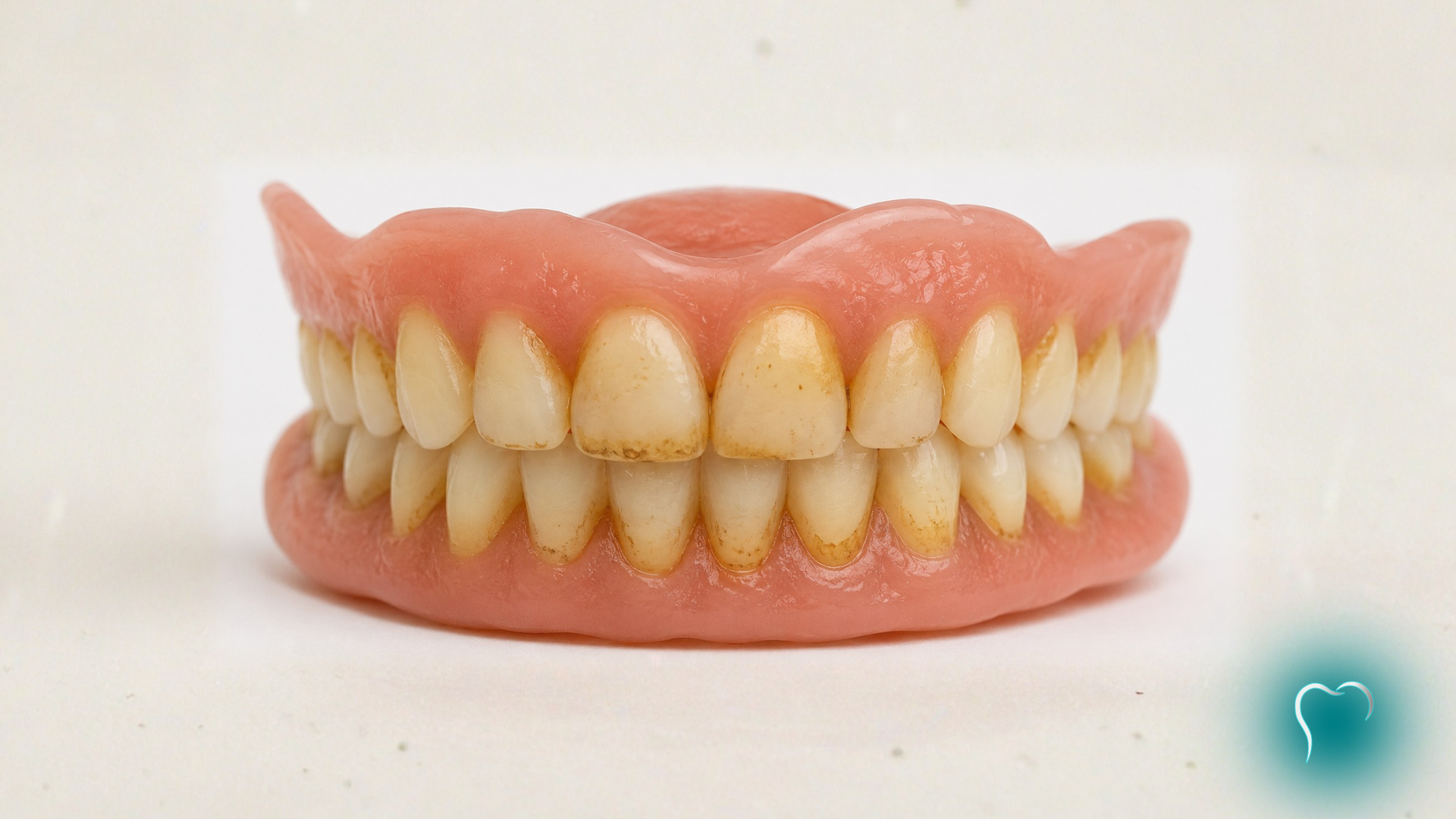
When people worry what happens if I drink soda with false teeth, the good news is that you rarely need to give it up forever. The real issue is regular exposure without adequate oral hygiene. With just a few small habits, you can minimize the effect fizzy drinks have on you and prevent soda from staining your dentures.
Here are practical steps how to prevent denture staining from soda:
- Limiting soft drinks to infrequent consumption, preferably with meals rather than casual sipping.
- Rinsing your mouth and appliance in plain water shortly after finishing a glass or can.
- Cleaning your denture at least once each day with a soft brush and non-abrasive cleaning agent.
- Avoiding very hot or boiling liquids that can warp the base.
- Scheduling regular check‑ups and professional cleanings.
Many people ask whether can you drink sparkling water with dentures as a safer option. Plain carbonated water without sugar or added acids appears much gentler on teeth and prosthetics than traditional soft drinks.
These bubbles can still irritate the gums for some of us, but from a staining and cavity standpoint it’s usually a much better option than sweet or dark sodas. Flavored sparkling waters with citric acid or sugar included act much closer to normal sodas, however, and should be treated like such! If your denture begins to take on strange stains or rough patches even with daily care, and still appears dull, you might need to check with our team for some expert cleaning or evaluation.
You’ll find us easily at the Contact clinic link or learn about the team and philosophy at About us. Our denturists can determine whether the stain requires a good scrubbing and polish or if an adjustment or replacement would be optimal.
FAQ
Is it okay to drink soda with dentures occasionally, or should I cut it out completely?
For most healthy denture wearers, the occasional soft drink with meals is acceptable if you clean your appliance properly afterward. Problems arise when you sip all day or use soda as your main source of fluid, which increases staining and irritation risk. Moderation and good cleaning habits are the key.
Does diet soda cause less damage to false teeth than regular cola?
Diet versions remove sugar, which lowers cavity risk for any remaining natural teeth, but the acid level and colouring are often quite similar. That means they can still roughen acrylic surfaces and contribute to stains. Switching from regular to diet is a small improvement, but water and unsweetened drinks are much safer choices.
Can sparkling water replace soda as a safer fizzy option for denture wearers?
Plain sparkling water without added sugar or flavouring is generally considered a better option than standard soft drinks. It is less likely to cause staining and does not feed bacteria the way sugary drinks do. However, if your gums are sensitive, you may still find that still water feels more comfortable for everyday use.
Can cola stains be removed from a prosthetic?
Many stains from dark soft drinks, tea, and coffee can be reduced or removed with professional cleaning and polishing. If the surface has become very porous or the teeth are heavily worn, your denturist may recommend resurfacing or eventually replacing the appliance for the best cosmetic result. A professional opinion will help you understand which option is most realistic.
How soon after getting new dentures can I drink carbonated beverages again?
During the first days with a new appliance, especially after extractions, carbonation and acid can aggravate healing tissues and make discomfort worse. Most clinicians suggest sticking to still, non‑acidic drinks until your denturist confirms that healing and fit are stable. After that, you can slowly reintroduce fizzy drinks in small amounts, always paying attention to comfort and cleaning thoroughly afterward.
Recent Posts