All-on-X and Complete Dentures: Are They the Same Thing?

Source: Dr. Marketing
Losing most or all of your natural teeth can change more than your smile. Everyday activities like eating, speaking, and even smiling for photographs may begin to feel different.
Complete dentures have long been used to replace an entire arch of missing teeth. Today, patients exploring complete dentures may also encounter terms like implant-supported dentures, All-on-4, All-on-X, and fixed dentures.
These names can make full-mouth tooth replacement seem more complicated than it needs to be. The important thing to understand is that complete dentures describe a full set of replacement teeth, while terms like All-on-X explain how certain full-arch restorations are supported.
At
Alberta Dentures in Calgary, we help patients explore complete denture solutions based on their oral health, comfort, and everyday needs.
What Are Complete Dentures, and How Do They Replace Missing Teeth?

Complete dentures are custom-made dental prostheses designed to replace all the natural teeth in the upper jaw, lower jaw, or both.
Unlike partial dentures, which replace only some missing teeth, complete dentures restore an entire dental arch. A complete denture includes artificial teeth arranged to support chewing, speech, and the appearance of your smile. Depending on the design, it may also include a gum-coloured base that replaces lost gum contours.
However, not every complete denture is supported in the same way. Traditional complete dentures rest on the gums and underlying jaw ridge. Implant-supported complete dentures use dental implants for additional support or retention.
This means two patients can receive
complete dentures but have very different experiences with stability, cleaning, and daily wear. The most suitable option depends on the condition of your mouth, your preferences, and the type of support available for the replacement teeth.
Traditional Complete Dentures: A Familiar Approach to Full-Mouth Tooth Replacement
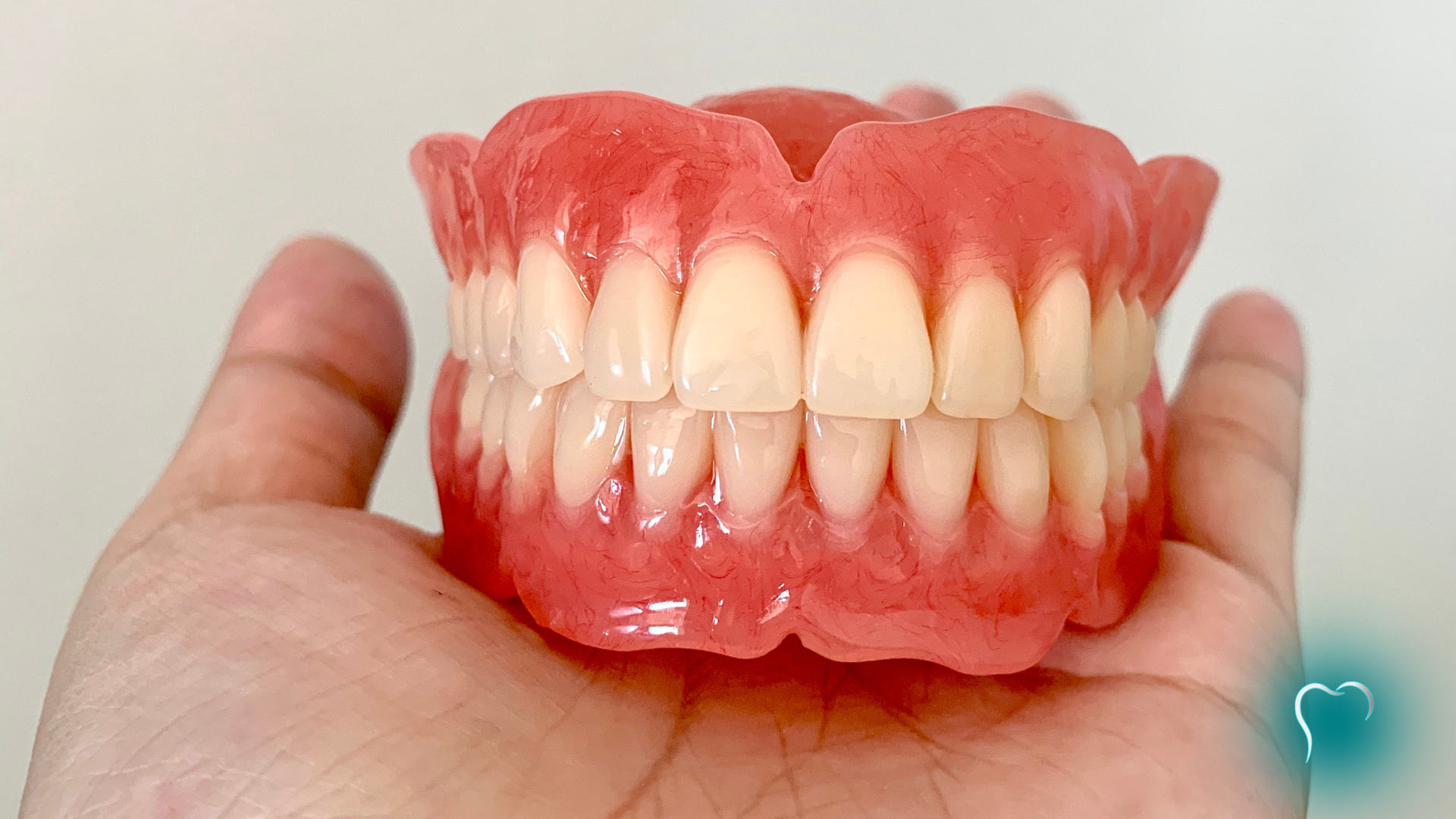
Conventional complete dentures are removable restorations that fit over the gums.
An upper complete denture typically covers part or all of the palate to help provide retention. A lower complete denture rests along the lower jaw ridge and must accommodate the movement of the tongue and surrounding muscles. Because traditional dentures do not require
dental implant surgery, they may be appropriate for patients who prefer a non-surgical tooth replacement option.
However, denture stability can change over time.
After natural teeth are lost, the jawbone gradually changes shape. As the underlying ridge becomes smaller, a denture that once fit comfortably may begin to feel loose. This does not necessarily mean the denture was poorly made. Changes in the supporting tissues are a natural part of living without teeth.
Denture adjustments, relines, or replacement may be recommended to help maintain fit and function. For patients experiencing repeated denture movement, implant-supported options may also be worth discussing.
How Does All-on-X Fit Into Complete Denture Treatment?
All-on-X is a term used for a full-arch dental restoration supported by multiple dental implants.
It is closely related to complete denture treatment because it replaces the same thing: an entire upper or lower arch of missing teeth. The difference is the foundation supporting those teeth. Rather than relying primarily on the gums, an All-on-X restoration is attached to implants placed in the jawbone.
The letter X represents the number of implants used to support the full arch. For example, All-on-4 uses four implants, while All-on-6 uses six. The number required depends on factors such as available jawbone, implant positioning, and the planned prosthesis.
All-on-X restorations are typically fixed, meaning patients do not remove them at home. They may be described as fixed implant-supported complete dentures or full-arch implant restorations.
So, while All-on-X is not identical to a conventional removable complete denture, both are approaches to complete tooth replacement. Understanding this connection can help patients focus on the denture design and support system rather than becoming overwhelmed by treatment names.
What About Removable Implant-Supported Complete Dentures?

Not every implant-supported denture needs to be fixed in place.
Removable implant-supported dentures, often called implant overdentures, offer another approach for patients seeking improved denture retention. These dentures connect to dental implants through specially designed attachments.
The implants help hold the denture in position during everyday activities, while the patient can still remove it for cleaning. This can be particularly useful for individuals who find that their conventional lower denture moves during eating or speaking.
A removable implant-supported complete denture may also be easier for some patients to clean than a fixed full-arch restoration. However, the attachments require maintenance, and the denture may still need adjustments or replacement over time.
The choice between a conventional denture, removable implant overdenture, and fixed All-on-X restoration depends on individual clinical needs and preferences. If you are exploring complete dentures in Toronto, a denture consultation with our team can help clarify which designs may be suitable for your situation.
Why Does the Fit of Complete Dentures Matter So Much?

When considering complete dentures, patients often focus on how the replacement teeth will look.
Appearance is important, but denture fit influences much of the everyday experience. A properly designed complete denture should account for the shape of your gums, jaw relationship, bite, and the position of the artificial teeth. These details affect how the denture functions when you speak and chew. For example, a denture that does not fit properly may create pressure points, irritate the gums, or move during meals. The placement of the artificial teeth can also influence lip support, facial appearance, and how the upper and lower teeth meet.
Implant-supported dentures require similar attention to prosthetic design. Even when
dental implants provide a stable foundation, the replacement teeth must still be positioned and shaped appropriately. This is why choosing complete dentures involves more than deciding whether implants will be used.
At
Alberta Dentures in Calgary, we encourage patients to discuss their concerns about denture comfort, appearance, and function during the planning process so that the available options can be evaluated carefully.
How Do You Care for Complete Dentures?
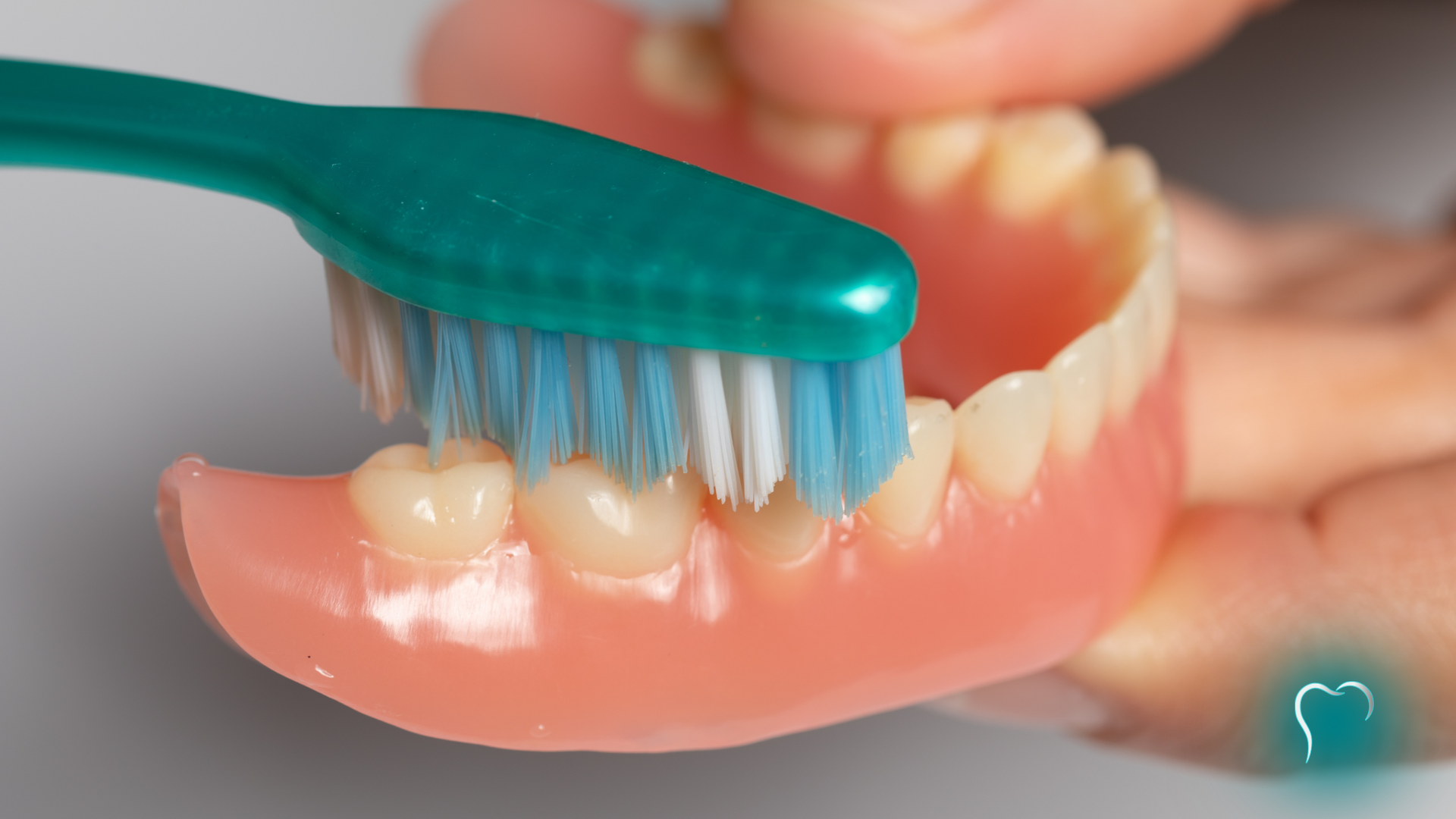
All complete dentures require regular cleaning and professional maintenance, but the routine depends on their design.
Conventional removable dentures should be cleaned daily using appropriate denture-cleaning products and handled carefully to avoid damage. The gums and other oral tissues also need regular cleaning, even when no natural teeth remain.
Removable implant-supported dentures require cleaning of both the prosthesis and the areas around the implant attachments. Fixed All-on-X restorations stay in place during daily hygiene. Patients must clean around the implants and beneath the prosthesis using tools recommended by our team.
Regular examinations remain important for all denture wearers. These visits allow our team to assess fit, identify wear or damage, evaluate the surrounding tissues, and determine whether adjustments or repairs are necessary.
A complete denture is a long-term investment in oral function, but it should not be considered maintenance-free.
Which Type of Complete Denture Is Right for You?
There is no single complete denture design that suits every patient. Some people are comfortable with conventional removable dentures and appreciate their straightforward cleaning routine. Others may be interested in implant-supported complete dentures because they want additional retention or a fixed restoration. Your options may depend on:
- The condition and shape of your jawbone
- Your current denture fit and comfort
- Your ability to undergo dental implant treatment
- Your preferences for removable or fixed replacement teeth
- Your oral hygiene needs and long-term maintenance expectations
A complete denture consultation provides an opportunity to evaluate these considerations and explain the differences between available prosthetic designs. Where dental implants are being considered, assessment and surgical planning by an appropriate dental implant provider are also necessary.
Complete Dentures Are About More Than Replacing Missing Teeth

Whether supported by the gums or dental implants, complete dentures serve the same fundamental purpose: replacing an entire arch of missing teeth to help restore oral function and appearance.
All-on-X is one approach within the broader range of full-arch tooth replacement options. Conventional complete dentures and removable implant-supported dentures provide alternatives with different benefits and maintenance requirements.
What matters most is finding a denture solution that fits your oral health, lifestyle, and expectations. At
Alberta Dentures in Calgary, we help patients understand their complete denture options and make informed decisions about replacing missing teeth.
If you are considering new complete dentures, replacing an existing set, or exploring implant-supported dentures, schedule a consultation with our team. We can discuss your concerns, assess your denture needs, and help you explore a comfortable, functional tooth replacement solution.
Recent Posts